More Than Shelves
How Store Fixtures Help sell the Experience
When we think about visual merchandising, our attention usually goes straight to the products, colors, signs, or decorations. However, store fixtures play an important role in how customers actually experience merchandise. Fixtures can include shelving, tables, clothing racks, mannequins, display cases, wall systems, and other structures used to organize and showcase products. As shown in the video on store fixtures, the fixture itself should not overpower the merchandise. Instead, it should help organize products, create focal points, and guide customers through the store.
One recommendation I would make when creating a visual display is to match the fixture to the type of merchandise being displayed. For example, mannequins work well in an apparel store because they allow customers to see how individual pieces can be styled together as a complete outfit. Display tables can also be used to group coordinating clothing, accessories, or seasonal products together. This creates opportunities for cross-merchandising because a customer who originally notices one item may also become interested in the other products displayed with it. Gondola shelving and endcaps are especially useful in stores with a large amount of merchandise because they keep products organized while giving retailers opportunities to feature promotional or seasonal items. Glass display cases, on the other hand, are better suited for smaller, expensive, or delicate products such as jewelry.
Another important recommendation is to avoid overcrowding fixtures. Filling every available space may allow a retailer to display more inventory, but it can also make the shopping experience overwhelming. A well-planned fixture should make important products easy to see and reach. Retail merchandising guidance recommends using fixtures, lighting, signage, and store layout together to draw attention toward merchandise and encourage shoppers to explore the store. The Retail Doctor provides several examples of how retailers can use product placement, endcaps, varying display heights, and coordinated merchandise to create displays that act almost like a “silent salesperson.”
The store environment also contributes to sales because customers are responding to more than just the products on the shelves. Lighting, color, music, signage, cleanliness, fixture placement, and the amount of space available to move around all contribute to the shopping experience. For example, a higher-end boutique may use fewer products on each fixture with more open space, focused lighting, and carefully coordinated displays to communicate exclusivity. A discount or warehouse retailer may use larger fixtures and higher merchandise density because convenience, selection, and value are more important to that shopping experience. Fixtures should therefore support the retailer’s overall brand rather than simply provide somewhere to place merchandise.
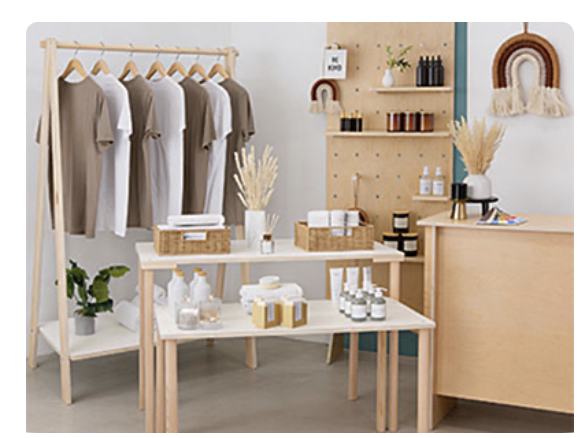
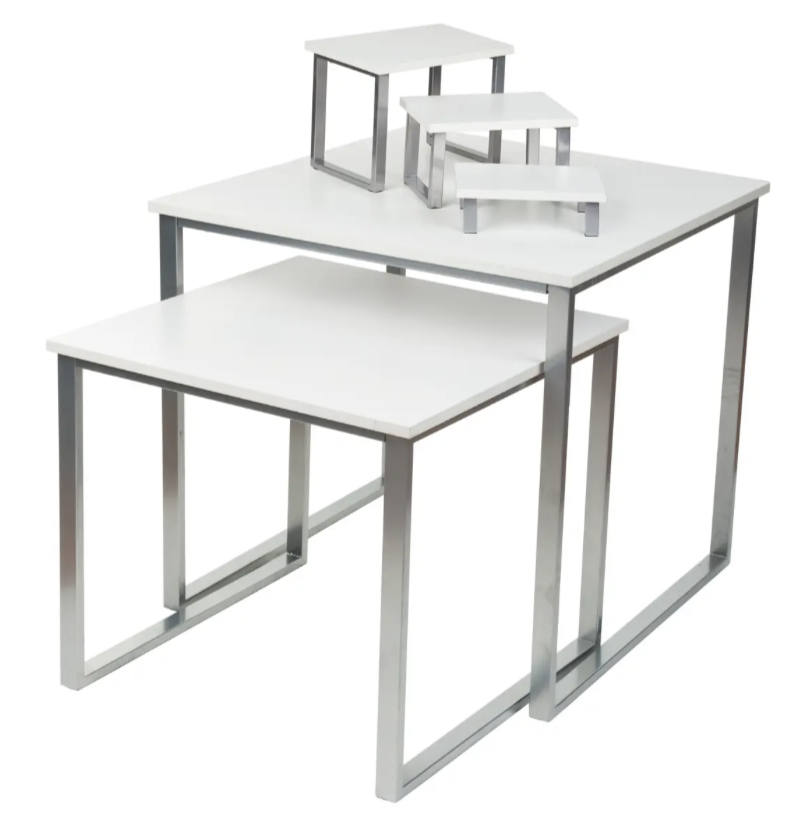
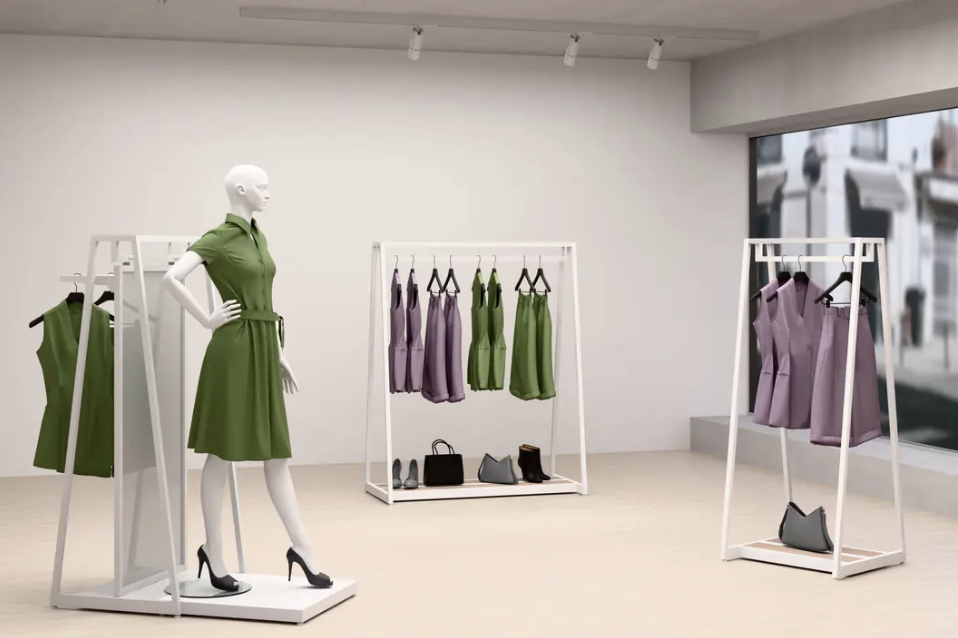
One display style I particularly like is the use of modern minimalist fixtures, such as the examples shown by Displays2Go. Their coordinated fixtures use simple shapes and neutral finishes so that the products remain the main focus of the display. This demonstrates why fixtures should be considered part of visual merchandising instead of just store furniture. When fixtures, lighting, product placement, and the overall atmosphere work together, they can attract attention, make shopping easier, encourage customers to explore more merchandise, and ultimately influence purchasing decisions.
Examples of Modern retail display fixtures from Display2go.com
 Life as a Military Spouse
Leave a comment