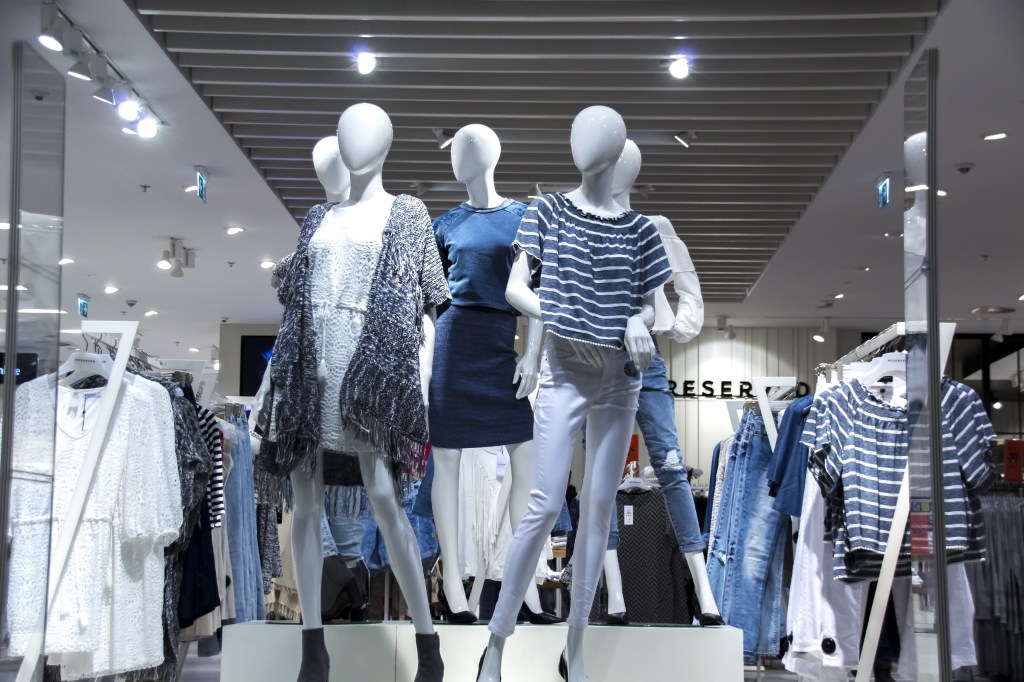
Have you ever walked past a store and noticed how the mannequins immediately caught your attention? Mannequins are more than just a way to display clothing. They help create a store’s atmosphere, showcase merchandise, and give customers ideas about how different outfits might look on them. When choosing mannequins, retailers should consider their target audience, brand identity, available space, and the type of merchandise they sell. After reading the Mannequin Mall article about the different styles of mannequins, I believe specialty boutiques, mass merchants, and department stores would each benefit from different approaches to their displays.
Specialty Boutique Stores
For a specialty boutique, I would recommend using abstract or realistic mannequins that complement the store’s unique style and personality. Boutiques typically focus on a specific target market and offer a more personalized shopping experience. Abstract mannequins with modern poses and neutral finishes could create a sophisticated appearance without taking attention away from the clothing. Realistic mannequins would also be a great choice for boutiques that want customers to visualize how complete outfits might look when worn.
For example, a boutique specializing in women’s formal wear could use realistic mannequins dressed in elegant gowns, paired with handbags and jewelry, to create a complete look. I would also recommend incorporating mannequins in different body sizes so customers can better visualize how the clothing might fit them. By choosing mannequins that reflect the boutique’s merchandise and customers, the store can create an inviting and memorable shopping experience.
Mass Merchant Stores
Mass merchants, such as Walmart and Target, serve a broad customer base and carry a wide variety of merchandise. For these stores, I would recommend using headless mannequins and torso mannequins because they are practical, versatile, and can be used to display different types of clothing. Torso mannequins are also a more economical option, making them useful for retailers that need multiple displays throughout a large store.
For example, a mass merchant could use torso mannequins to display seasonal T-shirts, sweaters, or athletic clothing near the corresponding merchandise. Full-body headless mannequins could showcase complete outfits in the women’s, men’s, and children’s clothing departments. I would also recommend keeping the displays simple and easy to update so employees can quickly change outfits to reflect seasonal promotions and new merchandise. This approach allows customers to see how clothing items work together while keeping the shopping environment organized and accessible.
Department Stores
Department stores, such as Macy’s and Dillard’s, carry multiple clothing brands and offer merchandise for different ages, sizes, and lifestyles. Because of this variety, I would recommend using a combination of realistic, abstract, and specialty mannequins throughout the store. Each department could select mannequins that complement its merchandise while maintaining a consistent overall store appearance.
For example, the women’s formalwear department could use realistic mannequins to showcase dresses and coordinated accessories, while the athletic department could use sport mannequins positioned in active poses to demonstrate how the clothing looks during movement. The children’s department could use child and teen mannequins, while the maternity department could use pregnant mannequins to display clothing designed for expecting mothers. I would also recommend incorporating mannequins representing different body types throughout the clothing departments to help customers visualize the merchandise on a wider range of figures.
Final Thoughts
Overall, I believe choosing the right mannequin is an important part of creating an effective retail display. Specialty boutiques can use mannequins to express their unique brand identity, mass merchants can focus on practicality and versatility, and department stores can combine different styles to accommodate their wide variety of merchandise. Regardless of the type of store, mannequins should help customers visualize clothing, highlight products, and create an enjoyable shopping experience. A well-planned mannequin display can turn a simple clothing presentation into an opportunity to inspire customers and encourage purchases.
References
Mannequin Mall. (2016, July 1). The 18 styles & types of mannequins for your store.
Image Attribution By: Pixabay.com
Image by <a href=”https://pixabay.com/users/pixelanarchy-555/?utm_source=link-attribution&utm_medium=referral&utm_campaign=image&utm_content=8545″>PixelAnarchy</a> from <a href=”https://pixabay.com//?
 Life as a Military Spouse
Leave a comment